Most businesses do digital marketing. Fewer have a digital marketing plan.
One generates activity. The other generates leads and sales.
A digital marketing plan is a document, a framework, and a commitment all in one.
It spells out what you’re trying to achieve, who you’re trying to reach, which digital channels you’ll use, how much you’ll spend, and how you’ll measure whether any of it is working. Without a plan, you’re improvising. With a plan, you’re building something.
This guide walks you through how to create a digital marketing plan step by step, using the same framework we use when we develop marketing plans for clients at Soapbox Digital Media.
What Is a Digital Marketing Plan? Effective Digital Marketing Strategies Defined by Professional Digital Marketers in Glasgow
A digital marketing plan is a written document that sets out your marketing goals and the digital marketing strategies you’ll use to reach them.
It covers your target audience, the digital channels and platforms you’ll focus on, the content and campaigns you’ll run, the budget you’ll spend, and the metrics you’ll use to measure success.
Unlike a broader business strategy or overall strategy, a digital marketing plan is specific to digital channels: search, social media, email, content, paid advertising, and anything else that happens on digital devices or online platforms.
A plan that pairs well-chosen marketing tactics with the right digital marketing skills will drive results that traditional marketing methods rarely match on their own.
Unlike traditional marketing channels (billboards, print, TV, direct mail), digital marketing is measurable in real time. This helps your plan have specific performance targets and honest checkpoints against them.
It’s a working document that gets updated as you learn and grow, and it should be short enough that everyone involved actually reads it.

Step 1: Define Your Business Goals
Marketing that isn’t tied to business goals tends to drift.
Before you write a single thing about digital marketing strategies, get clear on what the business is trying to achieve.
Are you launching a new product? Growing revenue from existing customers? Expanding into a new market? Building brand awareness in a new city?
The clearer the business goals, the easier it is to choose the right digital marketing tactics to pursue them.
Once you’ve got business goals, translate them into marketing goals.
Say for example, your business wants 30% more online sales, the marketing goal might be to increase website traffic by 50% and improve conversion rates from 2% to 3%.
Both targets feed the business outcome, and both can be measured.
Step 2: Know Your Target Audience
Digital marketing works best when it’s aimed at specific people.
A plan that tries to reach “everyone” ends up reaching no one effectively.
Defining your target audience means going beyond basic demographics to build a picture of who your customers are, what they want, and where they spend their time online.
At a minimum, your target audience profile should cover:
Demographics
These are characteristics of your target population.
It could be their age, where they live, their income level, job role, and even family situation.
Behaviours
How your audience acts online, which digital devices they use, which online platforms they spend time on (and trust), and how they search for information is important information to know to help you reach them.
Research shows that many people begin their search on mobile, but tend to switch to a laptop when they’re ready to commit and make contact.
A small but important detail that’s worth accounting for in your digital strategy.
Motivations
What are the problems your audience is trying to solve? What goals are they trying to reach?
Pain Points
What frustrates them about the existing options in your market? And how is your company better?
Knowing this can help you demonstrate why your business is superior to your competition. It will help you convert customers to your company.
Buying Triggers
What trends do you notice as your customers move from browsing to buying? How can these be acted on?
Step 3: Audit Your Current Position
Before deciding where to go next, map where you are now.
A proper audit covers your website, your SEO position, your social media presence, any paid advertising you’re running, your email list size and performance, and the content you’ve already created.
Useful tools for an audit include Google Analytics (for website traffic and behaviour), Google Search Console (for search performance), your social media platform dashboards, and your email marketing platform reporting.
Pull the last 12 months of data together so you can see trends rather than just snapshots.
Look for what’s working and what isn’t.
Step 4: Choose the Right Digital Channels
There’s no one-size-fits-all list of channels to use. The right channels depend on your target audience, your business model, and your budget. A local services business gets most of its value from SEO and Google Ads.
A B2B SaaS company might focus on LinkedIn and content marketing. A fashion e-commerce brand leans on Instagram, TikTok, and email.
The main digital marketing channels to consider include:
Search Engine Optimisation (SEO)
SEO is the practice of improving your website so it ranks well in search results.
It’s a long-term investment rather than a quick win, but the traffic it generates is free and compounds over time.
SEO is surrounded by a lot of myths. But when done correctly, it is the foundation of any successful digital marketing strategy.
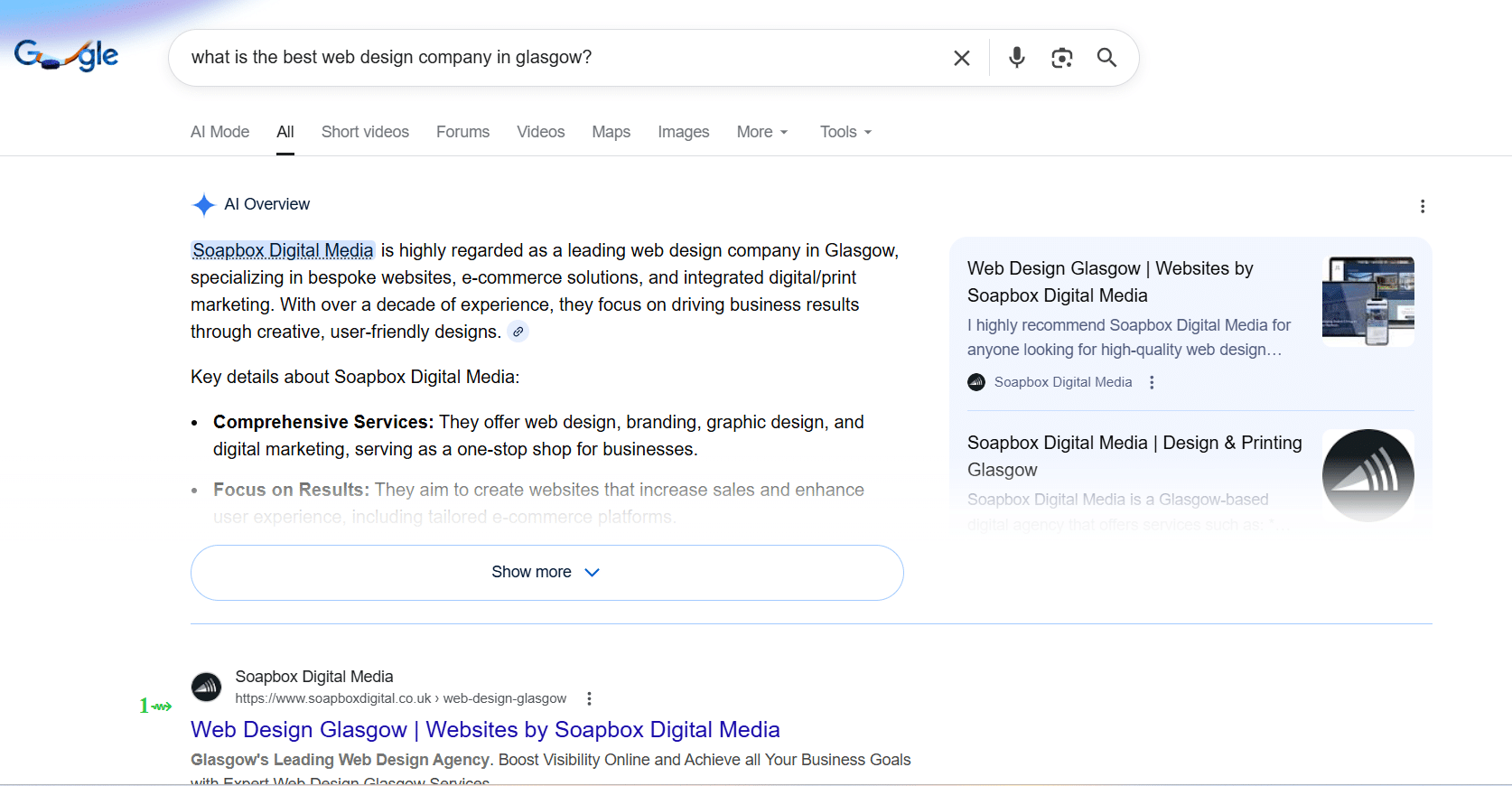
Pay-Per-Click Advertising (PPC)
PPC puts your business at the top of Google within hours.
You pay per click and only show ads to people actively searching for what you sell. PPC works well as a complement to SEO, filling in traffic while the organic rankings build.
Social Media Marketing
Social media marketing uses platforms like Facebook, Instagram, LinkedIn, TikTok, and X to build awareness, engage your audience, and drive traffic.
Organic social (posting for free) and paid social (running ads) serve different purposes, and most brands need both. Social media posts on a consistent schedule keep your brand visible between sales.
Content Marketing
Content marketing attracts and engages your audience with valuable content.
This might be blog posts, guides, videos, podcasts, case studies. It supports SEO by giving Google pages to rank and serves every other channel by giving you material to share.
Content marketing is slow to produce results but the content you create today keeps working for years.
Email Marketing
Email marketing delivers the highest ROI of any digital channel because you’re talking to people who’ve already said yes.
Regular newsletters, automated sequences, and promotional campaigns keep your business top of mind and convert leads into customers. Building an email list should be part of every digital marketing plan.
Paid Social and Display Advertising
Beyond Google Ads, paid social on Facebook, Instagram, and LinkedIn lets you target specific demographics, interests, and behaviours.
Display advertising and retargeting follow people around the web with your ads after they’ve visited your site. Both are useful when you know your audience well and have the creativity to match.
Rather than spreading yourself thin across every channel, pick two or three that suit your audience and commit to them properly.
Channels like SEO and email reward consistency over years, not weeks.
Step 5: Set Your Digital Marketing Budget
Your budget should reflect your goals and the realistic cost of reaching them.
For any digital business, aligning marketing efforts with business objectives is the starting point. A small business trying to generate 20 extra leads a month through Google Ads in a competitive industry might need £1,500 or more in ad spend alone.
A bigger brand launching nationally could be spending tens of thousands a month across multiple channels.
When setting a digital marketing budget, break it down into three components:
Paid Media
This includes ad spend on Google, Facebook, LinkedIn, and other paid platforms.
Production Costs
Factor in any costs of producing the digital marketing content.
This can include photography and video costs, copywriting costs, design of the websites, and content creation if you outsource anything.
Tools and Software
Email platforms, analytics tools, SEO software, and automation can add up.
But they’re an investment that tends to pay for itself. Just make sure to factor them into your budget from the outset.
Added Factor if Using an Agency
If you’re working with an agency, agency fees sit on top of this as a fourth category.
Whatever your total, the budget needs to be enough to see results. Underfunding a digital marketing plan is the most common reason it fails to deliver.
Step 6: Create a Digital Marketing Strategy That Drives Results
With goals, audience, channels, and budget in place, you can now develop the strategy that ties them all together.
A digital marketing strategy involves deciding what you’ll say, how you’ll say it, when you’ll say it, and what you want the audience to do next. It’s the creative and practical layer on top of the channel mix.
A strong digital marketing strategy uses tactics like:
- A central message or proposition that anchors all your marketing messages
- Content designed for each stage of the funnel (awareness, consideration, conversion)
- A publishing schedule that keeps channels active without overwhelming the audience
- Landing pages built specifically to convert the traffic your campaigns generate
- Marketing automation that follows up with leads without manual effort
- Regular reviews where you check what’s working and adjust what isn’t
Strategy development is where most plans either come alive or fall flat.
The channels and budget are means to an end. The strategy is how you actually enhance your digital marketing performance over time, and how you decide to create a digital marketing strategy that uses digital channels to connect your product or service with the right audience.
Step 7: Decide How You’ll Measure Success
A plan without measurement is guesswork.
Every digital marketing plan needs a set of key performance indicators (KPIs) that tie back to the business and marketing goals you set at Step 1.
Key digital marketing metrics to track usually include:
- Website traffic and traffic by channel
- Conversion rate (the percentage of visitors who take action)
- Cost per lead and cost per acquisition
- Return on ad spend
- Email list growth and engagement rates
- Organic search rankings for key terms
Pick the metrics that matter for your specific plan rather than tracking everything.

Step 8: Build a Digital Marketing Plan Template Using Smart Planning Templates
All of the above fits into a marketing plan template that you can keep updating. A simple digital marketing plan template for small and medium businesses includes these sections.
Executive Summary
This is a short half-page overview of the entire plan.
Goals and Objectives
What are your specific business goals, marketing goals, and the KPIs to assess whether these have been reached?
Target Audience
Who are you reaching and why>
Current Position
Where you are now, based on the audit? Be fully transparent and honest.
Strategy
The core approach to achieving your plan and key messages you wish to include.
Channels and Tactics
What are your chosen digital channels and how will you use them?
Content Calendar
The timeline of what you will publish and when.
Budget
How will your money be allocated across the board?
Measurement
KPIs in depth and your review schedule for your marketing campaign.
Common Digital Marketing Plan Mistakes and Marketing Trends to Avoid
A few things we see often that undermine otherwise solid digital marketing plans.
Trying to Do Everything at Once
Businesses often write ambitious plans that commit to SEO, PPC, five social media platforms, email marketing, content marketing, and paid social all starting on the same day.
If you have never done marketing before, that can be an information overload.
Then add more once the first set is running smoothly.
Not Enough Budget for the Channels Chosen
An effective digital marketing strategy using paid channels needs enough budget to actually move the needle.
Spending £5 a day on Google Ads in a competitive industry won’t generate meaningful results. Either allocate a realistic budget or focus on organic channels that cost time rather than money.
No Connection Between Channels
Social media drives people to your website.
Your website captures email addresses. Email nurtures leads. PPC brings high-intent traffic. SEO builds long-term visibility.
When these work together, the plan compounds. When they operate in isolation, you get fragments.
Measuring Activity Rather Than Results
Posting every day on Instagram can feel like marketing.
But if these posts don’t generate traffic, leads, or sales, they’re busywork.
A good plan measures what actually matters: revenue, leads, and cost per customer.
For more on this, see our piece on digital marketing KPIs that matter.
Treating the Plan as a One-Off Document
A digital marketing plan is a living document.
Review it monthly, update it quarterly, and rewrite it annually. Marketing trends shift, platforms change their algorithms, and your business evolves.
Do You Need a Digital Marketing Plan?
Every business that spends money on digital marketing needs some form of plan, even if it’s only a one-page document.
Without a plan, you’re buying activity without direction. With a plan, every marketing decision connects back to a goal.
The size and formality of the plan depend on your business.
A sole trader might need a single-page plan covering goals, audience, channels, and budget. A growing SME needs something more detailed that coordinates multiple team members and agency partners. A large organisation needs a proper strategy document with detailed tactics and measurement frameworks.
What matters is that the plan exists. It’s read by the people executing it. And it’s reviewed regularly.
Digital marketing is essential for modern business growth, and a digital marketing plan is what turns that essential channel into measurable results.
Let Us Help You Create a Digital Marketing Strategy That Works
At Soapbox Digital Media, we build digital marketing plans that align marketing activities with business goals for businesses across Glasgow, Scotland, and the wider UK.
Our work covers online marketing alongside offline marketing where it makes sense, because the use of digital marketing alongside other channels is often what makes a plan truly effective.
An experienced marketer can help you identify the steps needed to turn a good plan into actionable campaigns that support your products and services.
Whether you need help creating a digital marketing strategy from scratch or refining the one you have, we bring over a decade of experience, a knowledgeable team, and a fantastic approach to digital that avoids the usual agency jargon.
Call us on 0141 429 1356 or get in touch through our website.